There is a distinct sense of pride that comes with a freshly installed paver driveway or a sprawling backyard patio. The interlocking stones create an aesthetic of elegance and durability that pouring simple concrete just cannot match. However, life happens. That classic car in the driveway leaks a few drops of oil; the metal patio furniture leaves a ring of orange rust after a rainstorm; or the kids drop a popsicle that melts into a sticky, colorful mess.
Suddenly, the pristine hardscape that tied your home’s exterior together feels marred. For homeowners, seeing a stubborn stain on a porous paver surface can be panic-inducing. Unlike a tiled kitchen floor where a simple wipe suffices, pavers absorb liquids, pulling stains deep into the material’s pores.
At Marshal Renee Construction Companies, we understand that your hardscape is a significant investment. We believe that maintaining it shouldn’t require a chemistry degree, but it does require the right technique. In this comprehensive guide, we are going to explore the most effective methods for paver stain removal. From common oil spills to stubborn rust marks, we will break down the science of the stain and the step-by-step solutions to restore your pavers to their original glory.
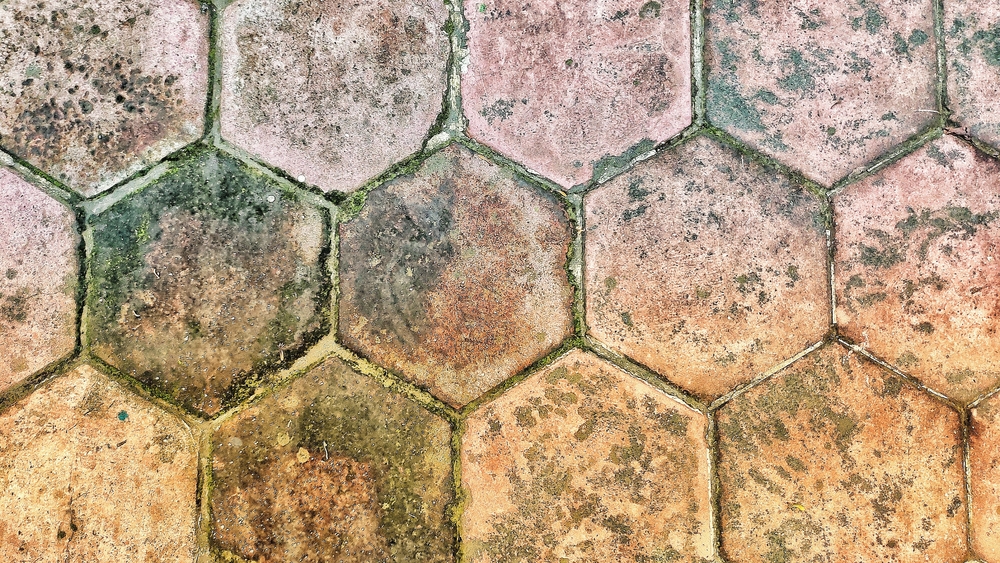
Understanding Paver Porosity and Stain Penetration
Before we grab the scrub brush, it is vital to understand what we are working with. Most modern pavers are made of compressed concrete or clay. While they are incredibly strong, they are also porous. Think of a paver like a dense sponge. When a liquid—whether it is motor oil, red wine, or rusty water—hits the surface, it doesn’t just sit on top. It seeps into the microscopic capillaries of the stone.
This is why “surface cleaning” often fails. To successfully clean paver driveways or patios, we often need to draw the stain out of the stone or break it down chemically within the pores. The speed at which you react matters. A fresh spill is always easier to manage than a stain that has baked in the sun for three months.
The Toolkit: What You Will Need
Before attempting to remove oil from pavers or tackle other blemishes, gather the right supplies. Using the wrong tool (like a wire brush on a smooth-finish paver) can cause scratches that look worse than the stain itself.
- Stiff-Bristle Brush: Nylon or natural fibers are best. Avoid metal wire brushes as they can leave metal filings that will rust later, or scratch the paver surface.
- Absorbents: Kitty litter (clay-based), baking soda, cornstarch, or sawdust.
- Safety Gear: Rubber gloves and protective eyewear (especially when using chemical cleaners).
- Garden Hose with Nozzle: A pressure washer is helpful but not always necessary.
- Mild Dish Soap: A grease-cutting detergent like Dawn.
- White Vinegar or Lemon Juice: For mild rust and mineral deposits.
- Commercial Cleaners: Specific degreasers or rust removers (we will discuss when to use these).
How to Remove Oil and Grease Stains
This is the most common call we get. Whether it is from a leaky transmission, grease popping off a barbecue grill, or spilled suntan lotion, oil stains are the nemesis of clean pavers. Oil is hydrophobic and stubborn, meaning water alone will just bead up and roll off.
Step 1: Absorb Fresh Spills Immediately
If the oil is fresh and wet, do not wipe it! Wiping spreads the oil over a larger surface area and pushes it deeper into the pores. Instead, smother the spill with an absorbent material.
- The Method: Pour a generous mound of kitty litter, baking soda, or cornstarch over the wet spot. Pat it down gently to ensure contact.
- Wait Time: Let it sit for at least 30 minutes to an hour. The powder will wick the oil out of the stone.
- Clean Up: Sweep away the soiled powder and dispose of it properly.
Step 2: The Detergent Scrub
For light stains or the residue left after absorption:
- Mix hot water with a high-quality grease-cutting dish soap.
- Pour the soapy water directly onto the stain.
- Scrub vigorously with your stiff-bristle nylon brush. The goal is to emulsify the oil so it can be rinsed away.
- Rinse with hot water and inspect. Repeat if necessary.
Step 3: Commercial Degreasers for Stubborn Stains
If the stain is old or the dish soap didn’t cut it, we need to upgrade to a dedicated paver stain removal product or a commercial degreaser.
- Look for products specifically labeled for concrete or pavers.
- Application: Apply the degreaser to the stain and let it dwell for the time recommended on the bottle (usually 10-20 minutes). Do not let it dry.
- Agitation: Scrub the area while the chemical is active.
- Rinse: Flush the area thoroughly with a garden hose.
Step 4: The Poultice Method (For Deep, Old Stains)
If a stain has penetrated deep into the paver, a liquid cleaner might not reach it. A poultice is a paste that draws stains upward as it dries.
- Mix: Combine an absorbent material (like baking soda or talc) with a solvent (degreaser or mineral spirits) to form a thick paste, like peanut butter.
- Apply: Spread the paste over the stain, about 1/4 inch thick.
- Cover: Cover the paste with plastic wrap and tape down the edges. This forces the solvent down into the paver.
- Wait: Leave it for 24 hours. Then, remove the plastic and let the paste dry completely.
- Remove: As the paste dries, it pulls the oil with it. Scrape off the dried paste and rinse the area.
Cleaning Rust off Pavers
Rust stains are particularly unsightly, appearing as bright orange or reddish-brown streaks. They are usually caused by metal patio furniture, old tools left out in the rain, or fertilizer granules that contain iron.
Crucial Warning: Do not use bleach on rust! Bleach is an oxidizer and will actually set the rust stain, making it permanent.
The Natural Approach: Lemon and Vinegar
For minor surface rust:
- Pour straight lemon juice or white vinegar onto the stain. The mild acid helps break down the iron oxide.
- Let it sit for 5 to 10 minutes.
- Scrub with a brush.
- Rinse immediately and thoroughly.
- Note: Pavers are often concrete-based, which can be etched by acid. Do not leave acidic solutions on the pavers for long periods.
The Heavy-Duty Approach: Oxalic Acid
For deep or dark rust stains, professional-grade rust removers usually contain oxalic acid. This is the gold standard for clean rust off pavers.
- Purchase a rust remover specifically designed for hardscapes.
- Apply carefully to the stain, wearing gloves and eye protection.
- Allow the product to react. You might see the rust disappear before your eyes.
- Rinse thoroughly.
Removing Organic Stains (Moss, Algae, Leaves)
In shaded areas or regions with high humidity, organic growth is common. Wet leaves left on pavers can release tannins, leaving behind brown, tea-like stains. Moss and algae can create slippery green or black patches.
The Bleach Solution
Unlike rust, organic stains respond well to oxidizers.
- The Mix: Create a solution of 1 part household bleach to 10 parts water.
- Apply: Pour over the stained area.
- Scrub: Use a stiff brush to agitate the area and loosen the biological material.
- Rinse: Rinse thoroughly to prevent the bleach from damaging nearby grass or plants.
- Pro Tip: Wet the surrounding plants with clean water before you use the bleach solution. This dilutes any runoff that hits them, protecting your landscaping.
For a safer alternative to bleach, we recommend using oxygenated bleach (OxiClean) or a specialized “wet and forget” outdoor cleaner that uses enzymes to kill the organic matter over time.
Paint, Tar and Chewing Gum
These are the “sticky” stains that sit on top of the paver but bond aggressively to the surface.
Paint (Latex/Water-Based)
- Fresh: Wipe up immediately with a rag and water.
- Dried: Scrape off as much as possible with a plastic putty knife. Apply a commercial paint remover or hot water and trisodium phosphate (TSP). Scrub and rinse.
Paint (Oil-Based)
- Do not use water initially. Dab the area with a rag soaked in mineral spirits or paint thinner. Be careful, as solvents can sometimes affect the color of sealed pavers. Always test a small, hidden area first.
Chewing Gum and Tar
- The Freeze Method: The easiest way to remove gum or tar is to freeze it. Hold an ice cube (or a bag of ice) against the substance until it becomes brittle.
- Scrape: Use a plastic scraper to chip the frozen gum/tar off the surface.
- Residue: If a sticky spot remains, use a small amount of citrus-based cleaner or mineral spirits to wipe it clean.
Pressure Washing: A Tool, Not a Wand
Many homeowners assume that a high-powered pressure washer is the solution to everything. While pressure washers are excellent for paver maintenance, they must be used with caution.
The Risk of High Pressure
If you blast pavers with 3,000+ PSI at close range, you risk:
- Etching the Surface: You can actually strip the “cream” coat off concrete pavers, exposing the aggregate underneath and changing the texture and color.
- Blowing Out Joint Sand: The sand between your pavers provides structural stability (interlock). Blasting it out can cause pavers to shift, wobble, or settle.
Best Practices for Pressure Washing
- Use a Fan Tip: Use a 25-degree or 40-degree nozzle tip. Never use the 0-degree (red) pinpoint tip on pavers.
- Keep Distance: Keep the wand tip at least 12 inches away from the surface.
- Angle Correctly: Spray at a slight angle rather than straight down to avoid driving dirt deeper into the joints.
- Resanding: If you do pressure wash, you must inspect the joints afterward. If sand has been lost, you must replace it with polymeric sand to maintain the integrity of the patio or driveway.
Efflorescence: The “White Stain” That Isn’t a Stain
Sometimes, we get calls about white, hazy stains appearing on new pavers. This is usually efflorescence. It is a natural phenomenon where water-soluble salts inside the concrete migrate to the surface and crystallize as the water evaporates.
It looks like a stain, but it is actually a mineral deposit.
- Does it need removal? Often, efflorescence will weather away naturally over a few months.
- Speeding it up: You can scrub the pavers with a dry stiff brush to remove the powder. If it persists, specialized efflorescence removers are available. Note that using water alone often makes it disappear temporarily (as the salts dissolve), only for it to return when the surface dries.
The Ultimate Prevention | Sealing Your Pavers
We have covered how to fix the problem, but how do we prevent it? The best defense against paver stains is a high-quality sealant.
Paver sealer creates a protective barrier over the porous surface of the stone. When oil, wine, or rust touches a sealed paver, it cannot penetrate the pores. It sits on top of the sealant, giving you ample time to wipe it up before it leaves a mark.
Benefits of Sealing
- Stain Resistance: Makes cleaning 90% easier.
- Color Enhancement: Many sealers offer a “wet look” that deepens the natural colors of the stone.
- Joint Stabilization: Sealants help harden the sand in the joints, preventing weeds from growing and insects from burrowing.
- UV Protection: Prevents the sun from fading the color of your pavers over time.
At Marshal Renee Construction Companies, we recommend resealing pavers every 3 to 5 years depending on the traffic and weather exposure. It is the single most effective step you can take to protect your investment.
Call on Marshal Renee Construction Companies
Your outdoor living space is an extension of your home—a place for barbecues, family gatherings, and relaxation. Don’t let a few spots of oil or rust ruin the ambiance. With the right techniques and a little elbow grease, almost any stain can be conquered.
However, we also know that some stains are stubborn, and some projects are too big for a Saturday afternoon DIY. If you are facing a large area of neglected pavers, or if you are ready to seal your hardscape to prevent future damage, we are here to help.
At Marshal Renee Construction Companies, we specialize in bringing the beauty back to your outdoor spaces. From installation to restoration, we have the expertise to ensure your pavers look as good as the day they were laid.
Is your patio or driveway ready for a refresh? Contact Marshal Renee Construction Companies today for a consultation on cleaning, restoration, and sealing services.
FAQ
Q. Can I use bleach to clean my pavers?
You can use a diluted bleach solution (1 part bleach to 10 parts water) for organic stains like moss, algae, or leaf tannins. However, never use bleach on rust stains, as it will cause a chemical reaction that sets the stain permanently. Always rinse thoroughly after using bleach to protect nearby plants.
Q. How do I remove old, dried motor oil from my driveway?
For old oil stains, surface scrubbing is rarely enough. You likely need to use a “poultice” method. Mix an absorbent material (like kitty litter or baking soda) with a degreaser to form a paste. Apply it to the stain, cover it with plastic, and let it sit for 24 hours to draw the oil out of the stone pores.
Q. Will pressure washing damage my pavers?
It can if done incorrectly. Using too much pressure or holding the nozzle too close can etch the surface of the pavers. The biggest risk, however, is blasting out the joint sand that holds the pavers in place. If you pressure wash, always use a fan tip, keep a safe distance, and be prepared to re-sand the joints afterward.
Q. Why is there a white powdery film on my pavers?
This is likely efflorescence, a natural occurrence where salts inside the concrete migrate to the surface. It is not a stain and does not damage the paver. It will often weather away on its own, but can be removed with a stiff dry brush or a specialized efflorescence cleaner.
Q. How often should I seal my pavers to prevent stains?
We generally recommend resealing pavers every 3 to 5 years. A good sealant fills the pores of the stone, preventing oil, dirt, and rust from penetrating. This makes future cleanup as simple as hosing off the surface.